


Machine vision
A camera on the line watches for defects, counts pieces and checks that packaging is complete. We can store a traceable photo of every product for possible complaints. We always start on your shop floor.
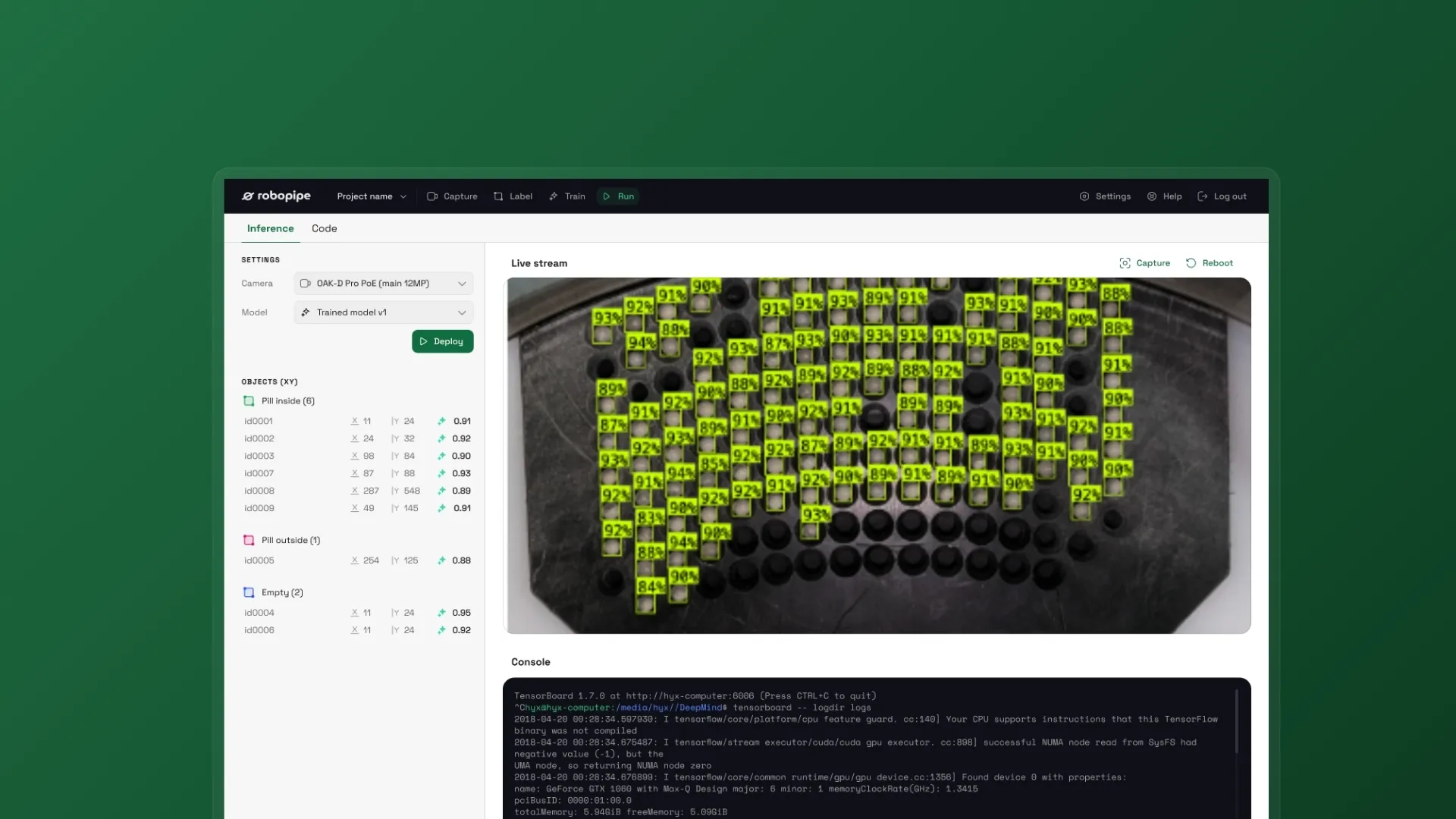
Quality control should not depend on the human eye
A camera works at the pace of the production line and does not slow down at the end of a shift. It spots even small and unexpected defects and collects the data that keeps improving production. We will show you a working prototype within 14 days.
What we build for you
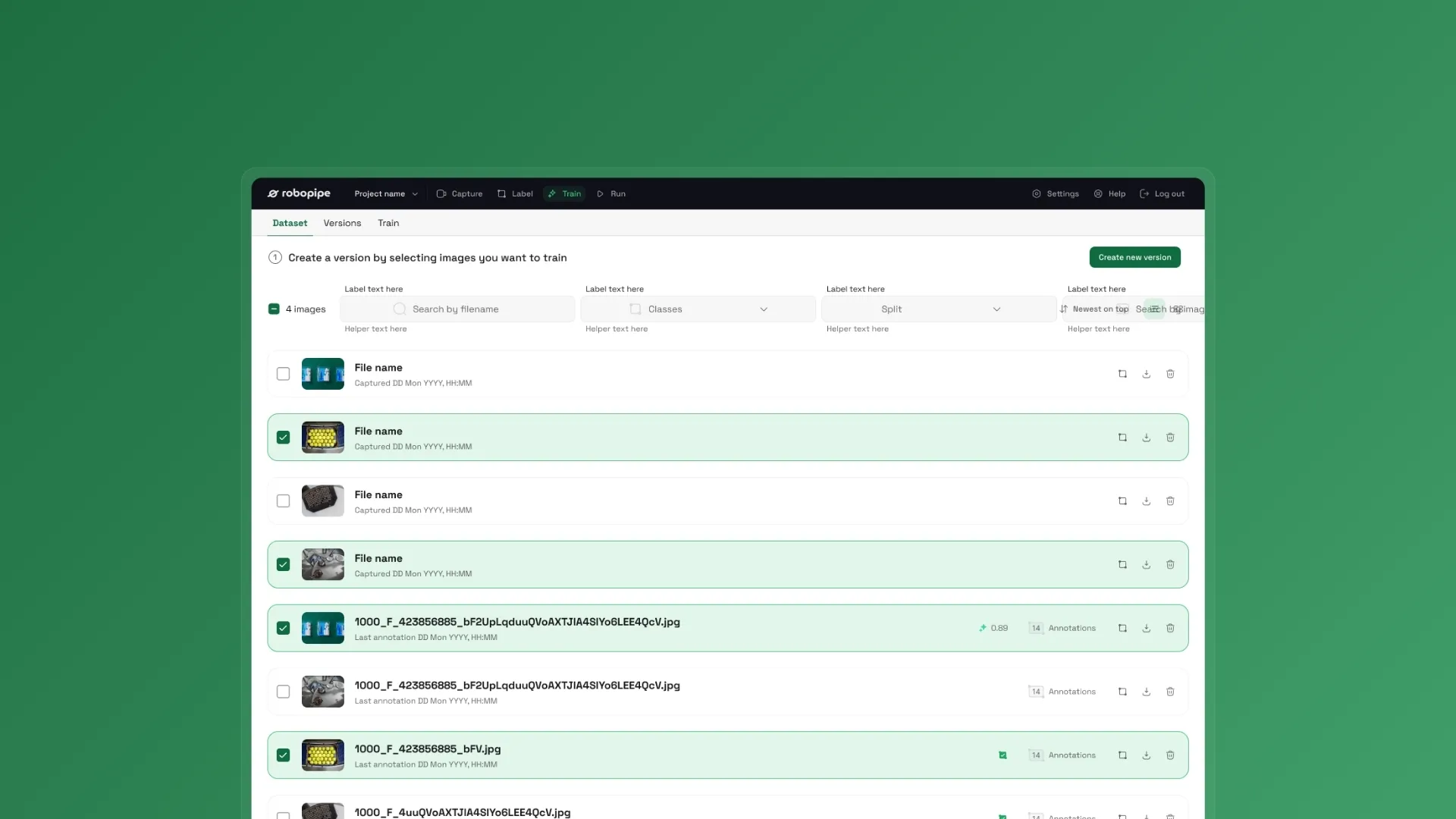
Take a picture, describe, train and run. These are the tasks a camera on the line handles most often.
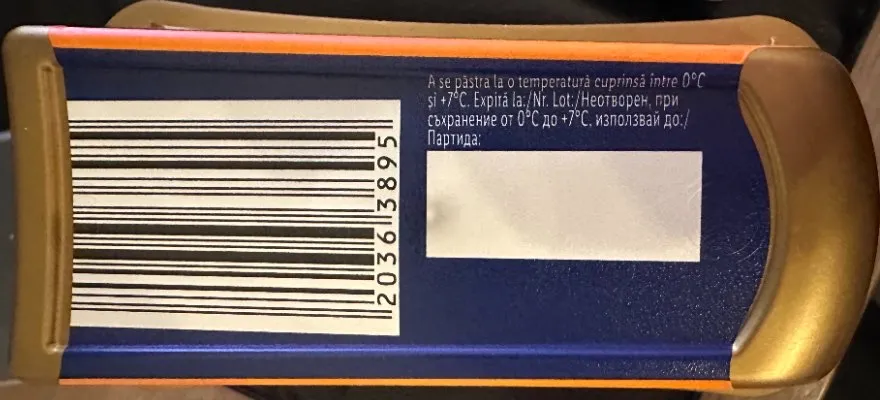
The camera on the line finds defects
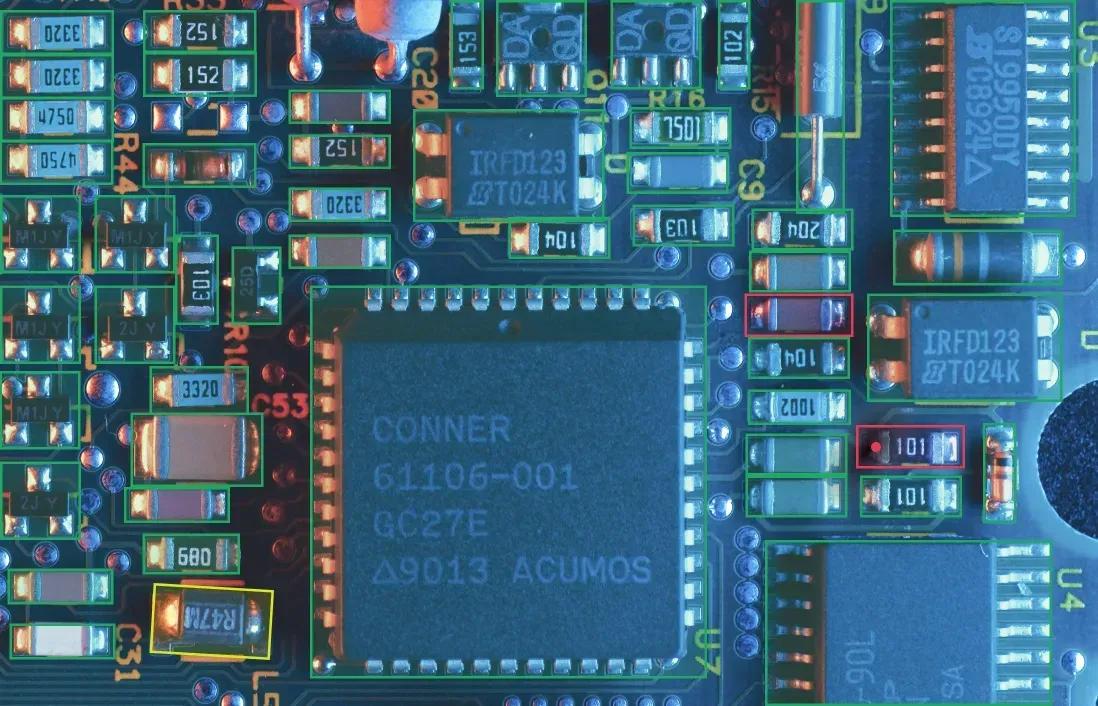
A defect can appear at any stage of production. The camera finds it at the pace of the line, even when it is small or unexpected, and stores a photo of every piece for possible complaints.
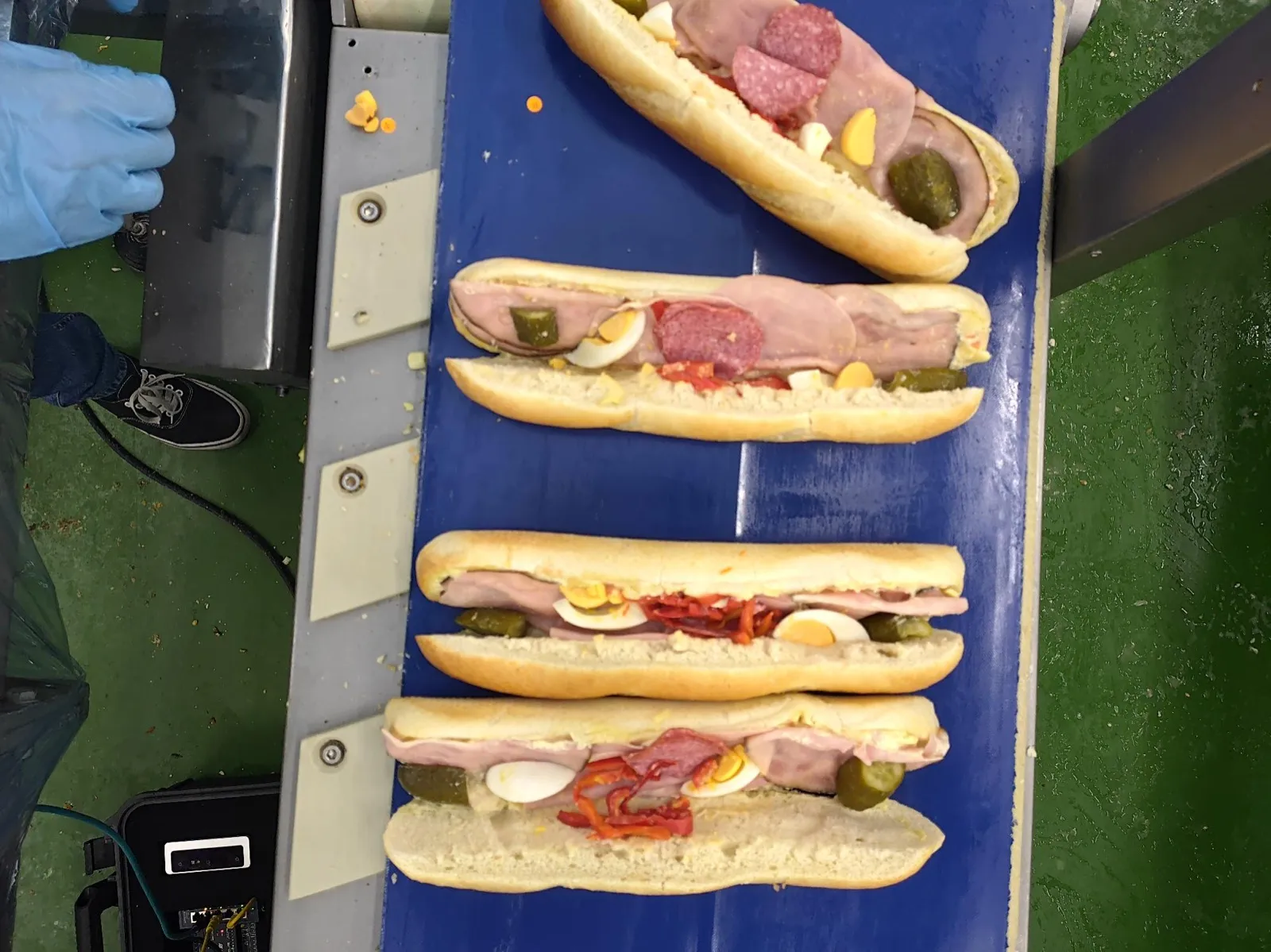
It counts pieces right at the machine
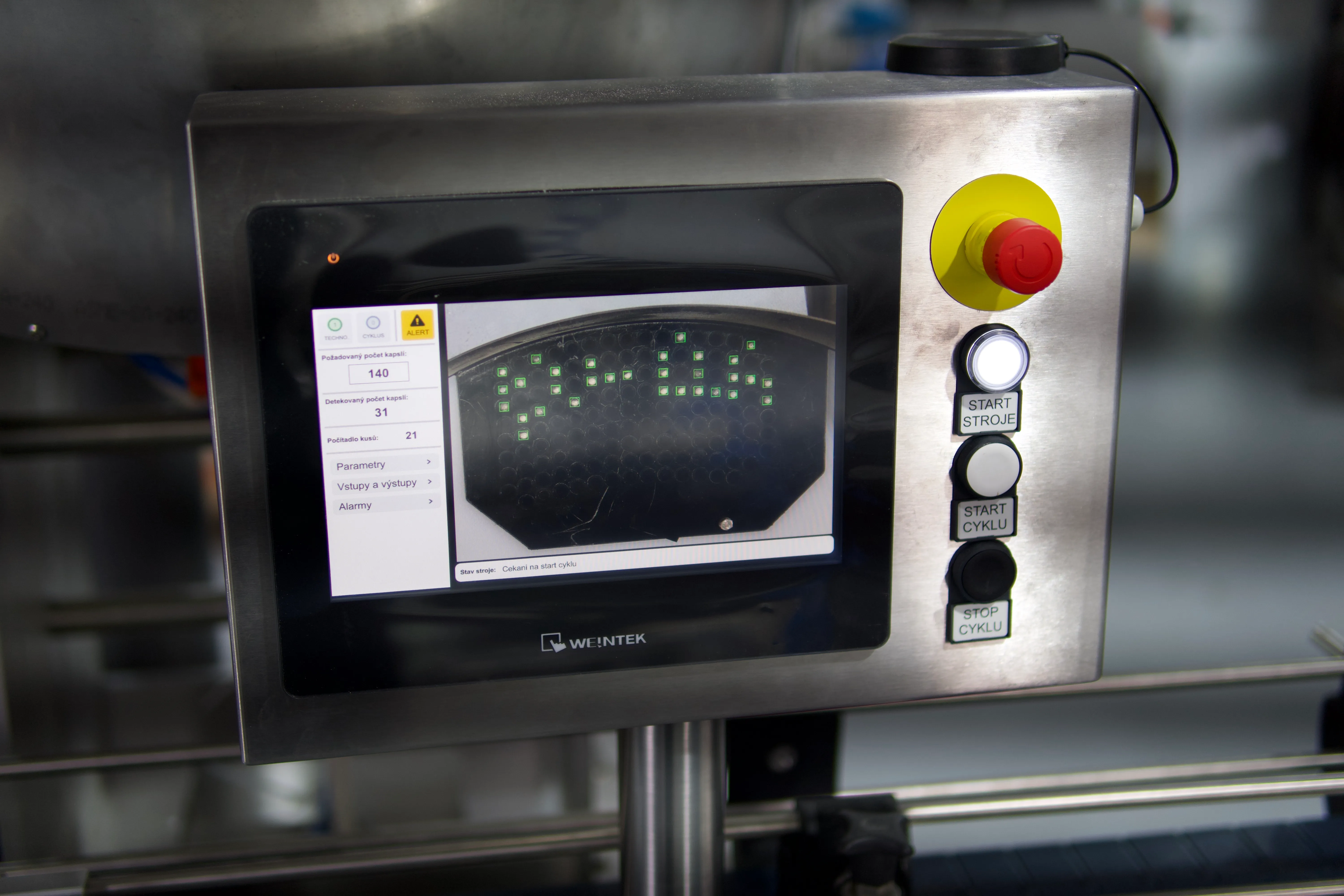
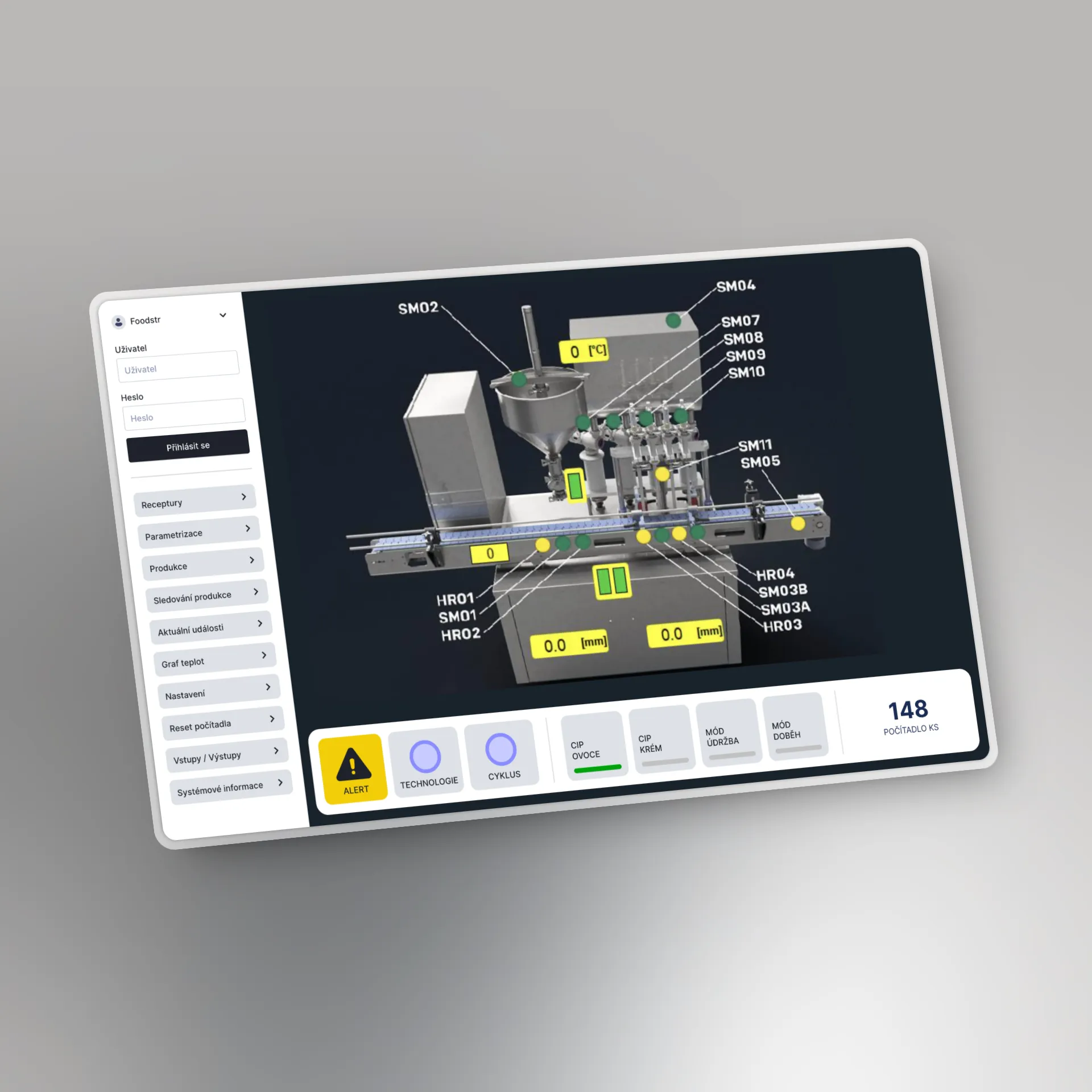
The camera counts each type of product and shows the result to the operator. On the control panel of a FOODSTR machine, the operator sees the required and the detected number of capsules.
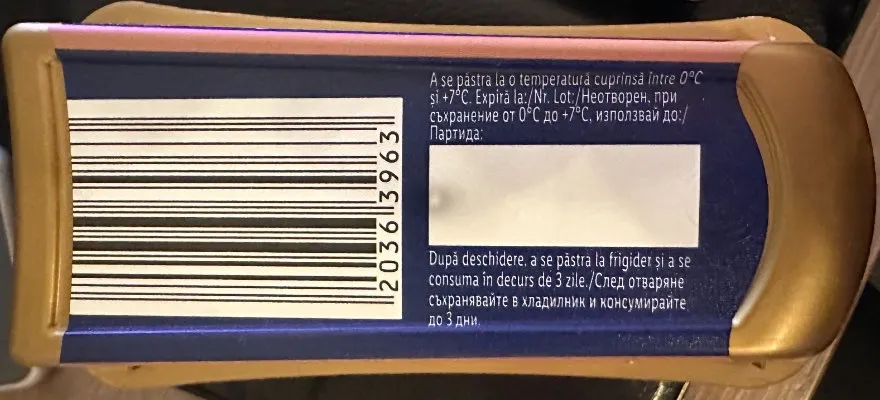
It spots what does not belong in a package
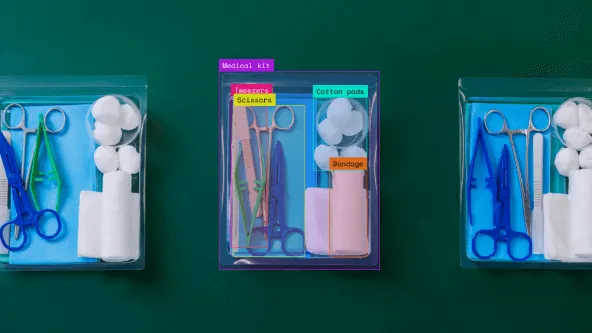
The system checks that a package is complete and marks any item that does not belong in it before the package leaves the line.
Robopipe teaches industrial machines to see
Robopipe is an open source project from our workshop for industrial machine vision: take a picture, describe, train and run. For demanding plants we chose an industrial AI camera, the Luxonis IP65.
“In addition to the software solution, of course, we also thought of hardware. And the latter has high demands in industrial environments. That's why we chose Luxonis IP65 industrial AI camera for machine vision. This way the camera will work for you in cold and warm, dry and humid environments.”

How we work
You usually get a working prototype within 14 days. Then we train the model on photos straight from your line.
We come to your line
Together we go through what the camera should watch and where on the line it will sit.
Working prototype within 14 days
The prototype shows that the camera recognises what you need before development starts.
Take pictures, label, train
The camera photographs products from your line, we mark what is fine and what is a defect, and we train the model on those photos.
Launch on the line
We put the system into operation and connect it to the machine or to the PLC control system.
Frequently asked questions
Which camera do you use?
For Robopipe we chose the Luxonis IP65 industrial AI camera. It works in cold and warm, dry and humid environments.
Can the camera read barcodes and text too?
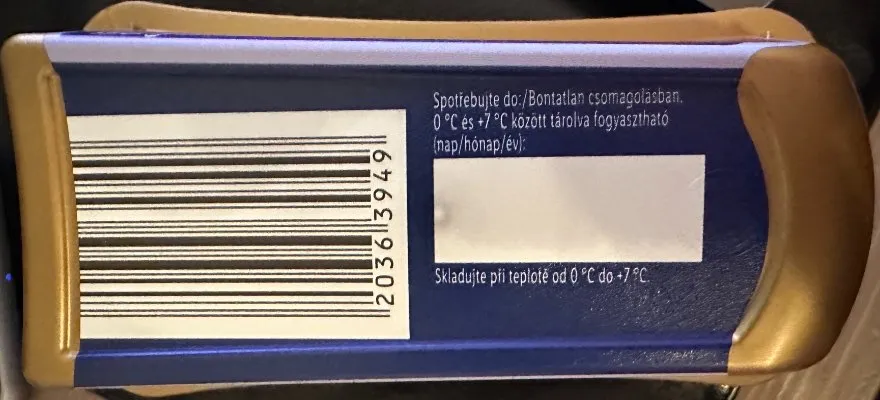
Yes. The system reads barcodes and characters, from embossed and engraved markings to laser marking and inkjet printing.
Can it pass the result to a machine?
Yes. When the system detects a misaligned part, it measures the difference from the required position and passes the correction straight to the robot or the PLC control system.
How much does it cost?
We always price it individually; the main factors are the scope, the chosen model and the connection to your machines. You get a rough estimate after the first consultation, which is free.